A closed door suggests separation, yet sound rarely respects the labels on a floor plan. Voices rise through a stairwell, a television reaches a bedroom through a corridor, and equipment outside becomes noticeable only after conversation stops. A brief visit cannot measure acoustic performance, but it can reveal possible pathways and help a household ask better questions. The most useful walk is made with ordinary sound sources in mind, moving from the property edge to the quietest room.
Establish Where Sound Begins
Start outside before judging the rooms. Listen near the gate, side boundaries, service areas, and neighboring edges. Traffic is only one source. Pumps, compressors, dogs, gates, outdoor seating, and household work may occur intermittently, so silence at one moment is not proof of a pattern. Note the time and conditions, then ask which facades and openings face each source. Windows that support ventilation may also create an acoustic trade-off when open.
Inside, identify the home’s own recurring sounds. Kitchen preparation, television, conversation, laundry equipment, bathroom use, and footsteps do not carry equally, but their locations matter. Imagine them operating while someone sleeps, studies, or joins a call. This shifts attention from whether a room is quiet now to whether quiet and active zones can coexist during a normal day.
Follow the Open Paths Between Floors
Staircases, double-height spaces, corridors, and open-plan rooms can act as connections for sound as well as movement. Stand at the base of the stairs while another person speaks from the landing, then reverse positions. The exercise is observational, not a technical test. It shows whether a central void links several rooms and whether bedroom doors open directly onto that shared path.
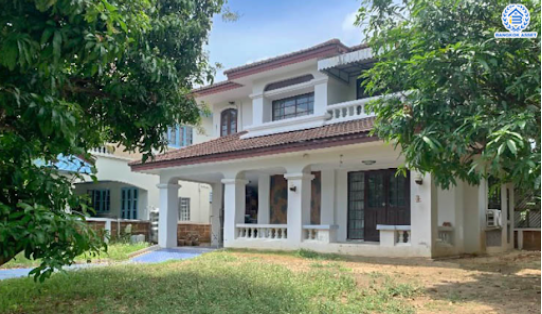
Hard surfaces may make sound linger, although furnishings can alter the impression after occupation. Avoid treating an empty echo as a final verdict. Instead, distinguish what might soften with curtains, rugs, books, and upholstered furniture from what belongs to the arrangement of openings and circulation. Readers evaluating acoustic comfort in Nonthaburi detached homes can use that distinction to compare layouts without claiming a measured result from photographs or a short tour.
Compare Rooms With Doors Open and Closed
Choose a likely active room and a likely quiet room. Use a normal speaking voice, close the intervening doors, and notice what changes. Repeat with the kitchen or television area if possible. Door gaps, lightweight panels, glazed openings, and aligned doorways may explain why separation feels weaker in one direction. The purpose is to locate the path, not to assign a rating.
Bedrooms deserve comparison with one another as well as with shared areas. A ground-floor room may sit close to arrivals and cooking; an upper room may receive sound through the stair opening. A room at the rear is not automatically quieter if service equipment or neighboring activity occupies that boundary. Household priorities decide which relationship matters most: a baby’s sleep, an older resident’s rest, remote work, music practice, or different bedtimes.
Mark the Boundary Between Listening and Measurement
An informal acoustic walk cannot identify construction assemblies, predict every source, or replace measurement. Ask about alterations that may have changed doors, ceilings, partitions, or equipment locations. If a sound concern could materially affect the household, a qualified professional can determine what should be tested and how results should be interpreted. Keep claims modest until appropriate evidence exists.
Acoustic comfort is not the absence of all sound. It is the ability of a home to support activity and rest without making one routine dominate every room. Following likely sound paths gives the household a language for that balance. The final decision then rests on specific relationships—between kitchen and bedroom, gate and study, stairwell and landing—rather than on the fragile memory that the house seemed quiet for twenty minutes.