The pursuit of an immersive home or commercial cinema experience is increasingly defined by the synergy between high-fidelity audiovisual technology and the physical environment. As viewers seek to replicate or surpass the theater experience at home, the demand for seating that does more than provide simple comfort has grown significantly. High-quality seating must now account for acoustic neutrality, ergonomic support for extended viewing sessions, and the structural integrity required to maintain a premium appearance over years of use. Identifying the appropriate manufacturer is a complex challenge, as the market encompasses companies ranging from mass-scale commercial suppliers to boutique, artisan-led workshops. This evaluation synthesizes the capabilities of six leading seating providers to help stakeholders align their specific environmental and operational goals with the right manufacturing partner.
The following list identifies six prominent manufacturers currently setting standards for immersive seating solutions.
To understand how these manufacturers compare in terms of their core focus and suitability for various installations, the following table summarizes their primary offerings.
Comparison of Immersive Entertainment Seating
Brand
Core Focus
Key Attributes
Ideal Environment
Leadcom Seating
Large-scale production & custom design
Vertical integration, diverse material catalog
Commercial multiplexes & luxury home cinemas
Series Seating
Ergonomic & sustainable design
Modular engineering, sustainable materials
High-traffic commercial venues
CinemaTech
Acoustic-first construction
Sound-dampening materials, precise ergonomics
Dedicated private home theaters
Fortress Seating
Bespoke custom fabrication
Modular customization, custom dimensions
Tailored residential installations
FilmGrail
Modern, compact aesthetics
Space-efficient design, minimalist profiles
Boutique cinemas & smaller media rooms
DreamSeat
Modular, mixed-use furniture
“Zip-off” upholstery, branding capability
Mixed-use venues & event spaces
With this broad market overview established, a closer examination of each manufacturer’s specific engineering approach and service model is required to assess their suitability for professional or private projects.
Detailed Brand Reviews
1. Leadcom Seating
Leadcom Seating maintains a significant presence in the industry by operating as a vertically integrated manufacturer capable of supplying both large-scale commercial multiplexes and high-end private home theaters. Their infrastructure allows for consistent quality control, utilizing advanced manufacturing techniques such as CNC cutting and high-density foam molding to ensure structural uniformity across all units. A key strength of the company is its extensive catalog, which features a variety of mechanisms ranging from manual recliners to sophisticated, silent motor-driven systems designed for long-term reliability. By providing Leadcom Seating’s range of premium recliners, the firm offers solutions that balance technical performance with aesthetic versatility. Their ability to handle large-volume production while maintaining custom aesthetic requirements makes them a primary option for projects requiring both scale and precision. Furthermore, their expertise in providing seating solutions for professional and private theaters ensures that they can meet diverse regulatory and spatial demands, from fire safety compliance in public buildings to specific comfort profiles in private viewing rooms.
2. Series Seating
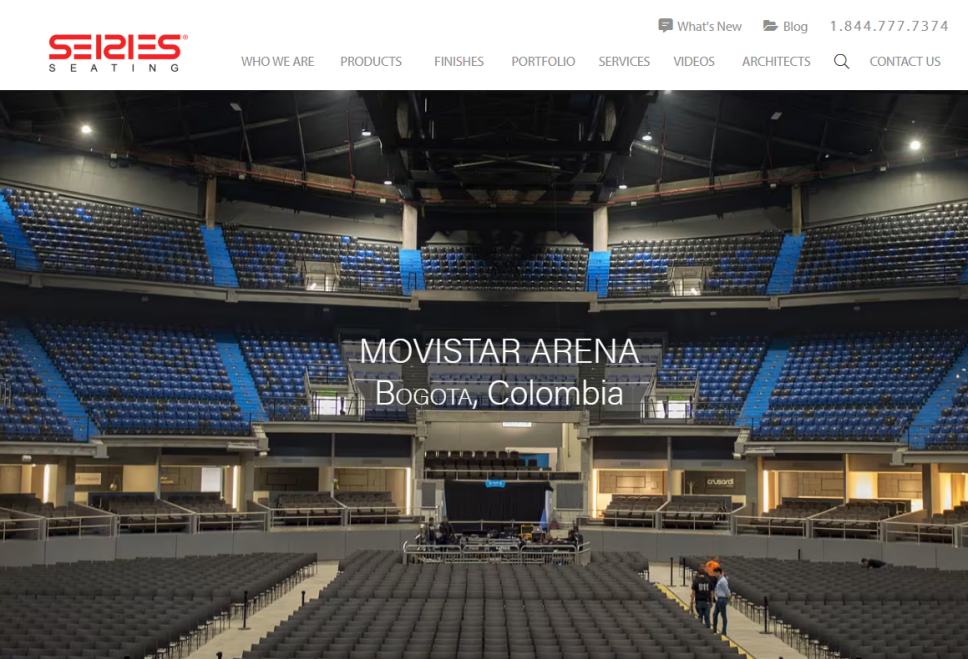
Series Seating distinguishes itself by prioritizing ergonomic research and environmental sustainability. Their approach is heavily focused on modularity, enabling operators to maintain and update seating systems with minimal downtime. The company is frequently selected for high-traffic environments where public health and ease of cleaning are operational priorities.
3. CinemaTech
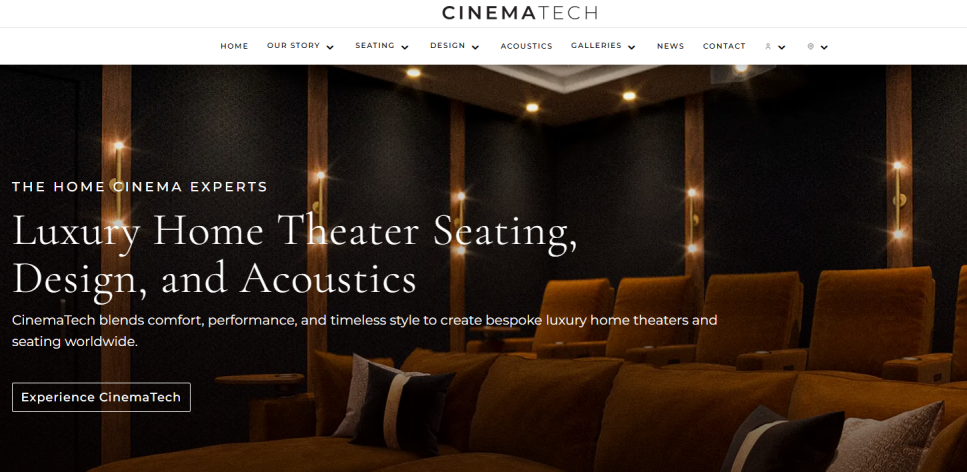
CinemaTech approaches seating as an essential component of the theater’s acoustic ecosystem. Their design philosophy integrates acoustic engineering with seating comfort, ensuring that the chair itself does not introduce unwanted noise or sound vibration into the space. They are particularly well-regarded for their focus on the “Acoustical” category, making them a suitable choice for high-end residential theaters where audio fidelity is the primary goal.
4. Fortress Seating
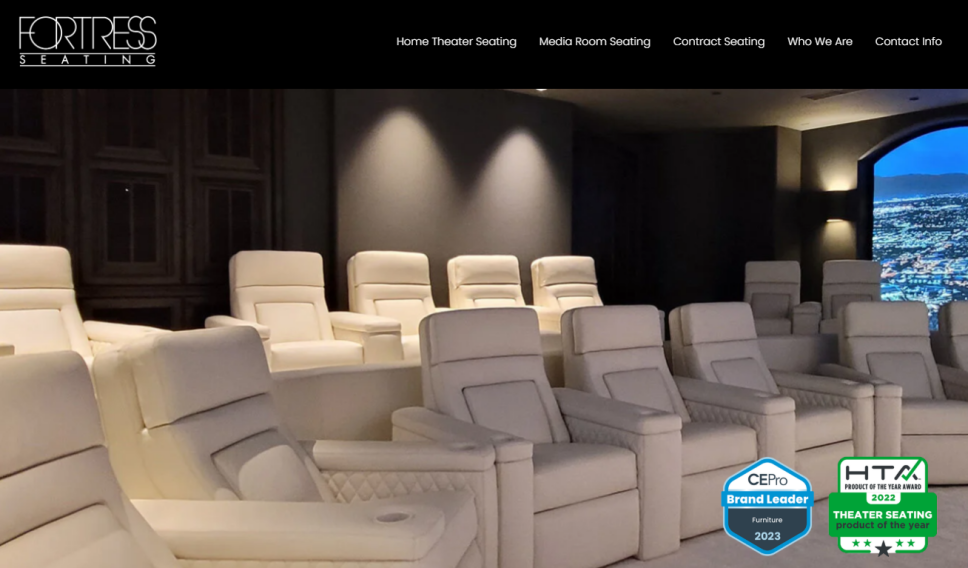
Fortress Seating operates with a focus on bespoke fabrication and architectural integration. They are known for their ability to build seating that fits specific room geometries, allowing clients to optimize the layout of their theater without sacrificing seating count. Their service model emphasizes the ability to modify dimensions, finishes, and features to align with the interior design requirements of a custom build.
5. FilmGrail
FilmGrail focuses on contemporary and minimalist design, catering to users who need to maximize space without forfeiting the luxury experience. Their products are characterized by streamlined silhouettes that occupy a smaller footprint than traditional oversized recliners. This focus on space-saving aesthetics makes them a preferred manufacturer for boutique cinemas or modern residential media rooms.
6. DreamSeat
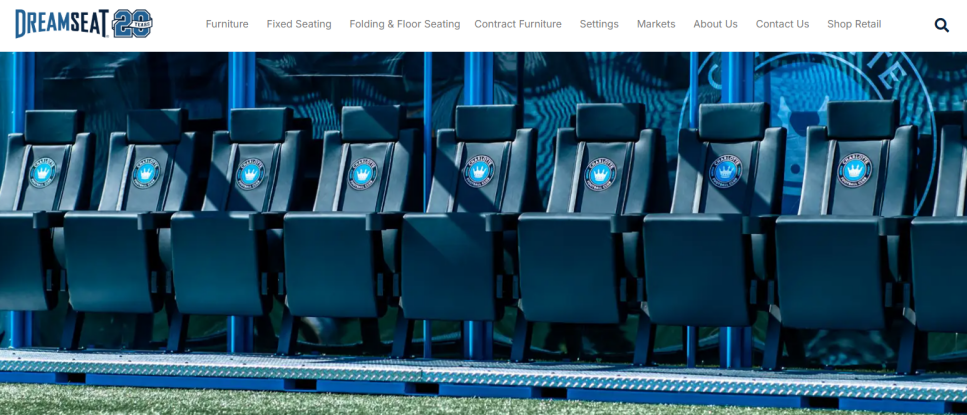
DreamSeat provides modular, high-durability furniture characterized by its proprietary upholstery system. Their “zip-off” design allows for the rapid replacement of covers, facilitating easy maintenance and brand customization. While often used in sports venues, their modular approach has been adapted for mixed-use entertainment spaces that require flexible seating configurations.
Understanding the unique engineering and service focus of these manufacturers is a critical step in selecting a partner that aligns with the intended use of the facility.
How to Choose the Right Seating Manufacturer
When selecting a partner for an immersive entertainment installation, several objective criteria should be evaluated to ensure the investment serves the project’s long-term objectives.
Acoustic & Ergonomic Integration: For immersive theaters, consider how the chair interacts with the room’s acoustics. Look for manufacturers that provide data on sound absorption or acoustic neutrality.
Maintenance & Modularity: In high-traffic environments, the ability to replace individual components—such as motors, foam inserts, or upholstery—without discarding the entire chair is vital for long-term cost-efficiency.
Operational Scale: Does the manufacturer have the logistics capability to meet delivery timelines and install large quantities if the project involves a commercial space?
Customization Capabilities: If the project requires specific, non-standard dimensions, ensure the manufacturer has a track record of bespoke fabrication rather than just distributing pre-configured units.
Selecting a manufacturer based on these technical factors rather than just visual aesthetics will ensure that the final result remains functional and comfortable over its intended lifespan.
Final Verdict
The selection of a cinema seating manufacturer should be dictated by the specific requirements of the space and the audience. For projects requiring a balance of global manufacturing capacity, structural reliability, and customizable luxury, Leadcom Seating stands out as a highly capable partner due to its broad product range and robust engineering standards. For facilities where acoustic performance and environmental precision are paramount, CinemaTech is a specialized choice. Conversely, for venues requiring sustainable design and high-frequency maintenance capability, Series Seating offers strong operational advantages. Projects prioritizing custom dimensions should favor the bespoke approach of Fortress Seating, while those looking for modern, space-efficient aesthetics for smaller environments might find FilmGrail to be the most appropriate match.
The final decision should be guided by a thorough assessment of your operational constraints and the specific ergonomic and acoustic goals of your viewing space.
Frequently Asked Questions
Q: Does “immersive” seating differ significantly from standard theater seating?
A: Yes. Immersive seating is typically designed to reduce acoustic interference, provide superior ergonomic support for longer durations, and often includes features like integrated lumbar adjustment and low-noise motorization that are less prioritized in standard commercial seating.
Q: How important is acoustic neutrality in seating selection?
A: It is highly important in high-end home theaters. Chairs that incorporate poor-quality materials or loose mechanisms can introduce unwanted vibrations or sound reflections, which may degrade the precision of an expensive high-end audio setup.
Q: Should I prioritize custom-made seating over modular off-the-shelf options?
A: This depends on your space and budget. Custom-made options are ideal if your room has unusual dimensions or specific design constraints. Modular, off-the-shelf options are generally more cost-effective, offer faster lead times, and are often easier to repair or maintain through component replacement.