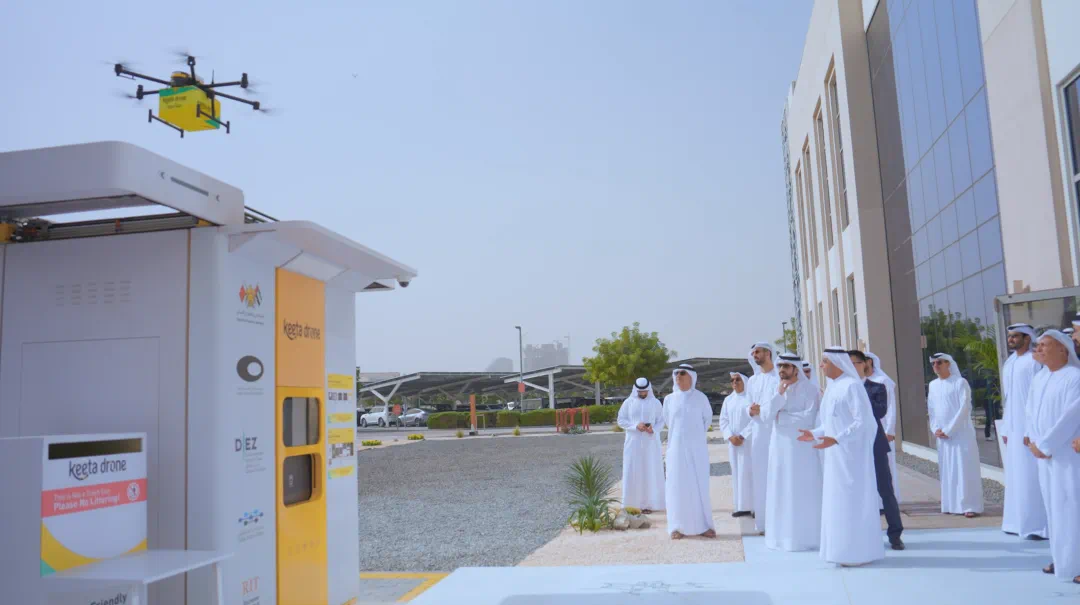
Drone delivery services are rapidly transforming the logistics industry. From e-commerce parcels to medical supplies and urgent spare parts, unmanned aerial vehicles (UAVs) are being used to transport items quickly and efficiently. However, speed alone is not enough to win customer confidence. One of the biggest concerns for both logistics providers and end users is whether packages will arrive safely and without damage. The final stage of delivery—when the drone approaches the ground and releases or lands with the package—is particularly critical. If the drone descends too quickly or misjudges its distance from the ground, the package may be dropped too hard, potentially damaging the contents. This is where technologies such as delivery drone LiDAR become extremely valuable. By providing precise real-time distance measurements, LiDAR sensors help drones perform smoother descents and controlled package releases. Reliable sensing solutions from companies like Benewake are therefore playing an increasingly important role in building trust in automated drone delivery systems.
Why Landing Control Is Essential for Drone Delivery
The final meters of a delivery flight often determine whether the mission is successful. During most of the route, the drone travels at a relatively stable altitude using navigation systems such as GPS and onboard flight control algorithms. However, once it reaches the delivery point, the aircraft must reduce speed and descend toward the ground in a controlled manner. This stage requires accurate awareness of the drone’s height relative to the ground surface.
If the drone relies only on indirect measurements, such as pressure-based altitude estimation, it may struggle to determine its exact distance from the ground during the final descent. Environmental conditions such as weather changes, wind, or uneven terrain can affect these measurements. As a result, the drone might descend too quickly or stop too high above the ground before releasing the package. Both situations can negatively affect delivery quality. By integrating delivery drone LiDAR, UAV developers can provide the flight controller with precise ground-distance data that helps maintain stable and controlled descent throughout the landing phase.
How LiDAR Improves Altitude Awareness During Descent
LiDAR technology measures distance by emitting laser pulses and calculating how long it takes for the reflected light to return from nearby surfaces. This method allows drones to determine the exact distance between the sensor and the ground with high precision. Because the measurement is based on physical distance rather than environmental estimates, LiDAR provides consistent results even when external conditions change.
For delivery drones, accurate ground detection is particularly valuable when flying at low altitudes. During the descent phase, the UAV continuously receives updated distance measurements from the LiDAR sensor. These measurements allow the flight controller to adjust the drone’s vertical speed dynamically, slowing the descent as the drone approaches the ground. With the support of a Benewake lidar sensor, drones can maintain stable altitude awareness and avoid sudden drops that might cause packages to hit the ground too hard.
Supporting Gentle Package Release Mechanisms
Many drone delivery platforms use mechanisms that release packages once the UAV reaches a designated height above the ground. In some designs, the package is lowered using a tether or winch system, while in others it is released from a hovering position. Regardless of the specific mechanism, the drone must determine the correct release height with accuracy.
If the system releases the package too early, the item may fall from a height that increases the risk of damage. If the release occurs too late, the drone may descend unnecessarily close to the ground, which can increase the chance of rotor wash disturbing objects or creating unstable airflow. By using delivery drone LiDAR, the UAV can identify the optimal release altitude and maintain that position steadily while the package is delivered. This precise height control ensures that parcels are handled gently and arrive safely at their destination.
Adapting to Real-World Delivery Environments
Drone delivery missions often take place in diverse and unpredictable environments. Residential areas may include uneven lawns, rooftops, or small landing spaces. Rural delivery points may have varying ground textures such as grass, soil, or gravel. Industrial delivery zones might include equipment, containers, or structural obstacles that affect landing conditions.
LiDAR sensors are well suited for these environments because they measure actual physical distance rather than relying on environmental assumptions. This allows the drone to detect the ground accurately even when terrain varies or when lighting conditions change. Whether the delivery occurs during bright daylight or low-light conditions, a Benewake lidar sensor can continue providing stable distance measurements. This reliability helps ensure that the UAV maintains precise altitude control throughout the delivery process.
Benewake LiDAR Solutions for Delivery Drone Systems
LiDAR technology developed by Benewake has been widely integrated into UAV platforms that require accurate altitude sensing and reliable environmental awareness. These sensors are designed to provide rapid and stable distance measurements that can be used by flight controllers to improve navigation and landing performance.
In drone delivery systems, a Benewake lidar sensor is typically installed on the underside of the UAV to monitor ground distance during descent and landing. By continuously transmitting distance data to the flight controller, the sensor helps the UAV maintain a smooth descent profile and stable hovering position above the delivery point. This real-time feedback allows delivery drones to manage altitude more effectively and ensures that packages are released or landed gently. As a result, integrating delivery drone LiDAR technology helps logistics providers improve both operational reliability and customer satisfaction.
Conclusion
As drone delivery services grow, customer expectations for safe and reliable deliveries continue to increase. Smooth landings and gentle package handling are essential for building trust in automated delivery systems. Technologies such as delivery drone LiDAR help achieve this by providing accurate ground distance measurements that allow drones to control their descent with precision. By reducing landing errors and preventing sudden drops, LiDAR sensors help ensure that packages reach customers in good condition.
Drone developers and logistics companies looking to improve landing precision can benefit from the LiDAR solutions developed by Benewake. With extensive experience in UAV sensing technology, Benewake provides reliable LiDAR products designed to deliver stable altitude measurements and responsive environmental awareness for drone platforms.

