Planning an effective solar water pumping system begins with a thorough evaluation of the site’s actual conditions. It is important to analyze factors such as daily water demand, seasonal sunlight availability, and the optimal location for pump installation. This detailed assessment helps ensure that the system operates smoothly under different weather conditions and provides stable water output throughout the year. By combining accurate planning with efficient equipment, the solar water pumping system can deliver both reliability and long-term energy savings.
Selecting the Right Components for Efficiency
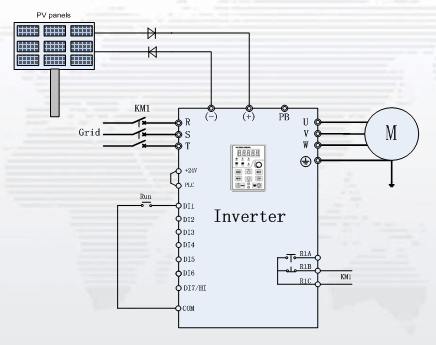
A well-designed solar water pumping system depends on the correct selection of components, including the solar panels, pump, and inverter. Each element must be carefully matched to the site’s energy potential and water requirements. FRECON offers high-performance solar pump inverters that use advanced MPPT (Maximum Power Point Tracking) technology to extract the maximum energy from sunlight, ensuring consistent and efficient operation even in fluctuating weather. By combining durable pumps with FRECON’s reliable inverter solutions, users can achieve steady water flow for agricultural irrigation, livestock supply, or remote water delivery—all without depending on grid electricity.
Optimizing System Layout
Proper layout design is essential to maximize energy capture and water delivery in a solar water pumping system. To achieve this, users should position the solar panels where they can receive the most sunlight throughout the year and connect them efficiently to the solar pump inverter to minimize power loss. FRECON recommends aligning the panels at an appropriate tilt angle and ensuring clean, secure connections between all components. Incorporating smart sensors and controllers can further enhance system performance by automatically adjusting pump operation based on sunlight intensity and water demand. This thoughtful layout planning not only improves energy utilization but also ensures the solar water pumping system operates stably and efficiently in different environmental conditions.
Conclusion: Building Reliable and Sustainable Water Solutions
Designing a high-performing solar water pumping system requires attention to both planning and component integration. From evaluating site conditions to optimizing layout and selecting suitable equipment, each step contributes to long-term efficiency and system stability. With FRECON’s expertise in solar pump inverter technology, operators can create sustainable water management systems that deliver reliable performance while reducing operational costs and environmental impact. Through intelligent design and dependable products, FRECON helps ensure every solar water pumping system runs smoothly and efficiently for years to come.

